Madonna and Stuart Price Reunite for the Next Confessions Chapter
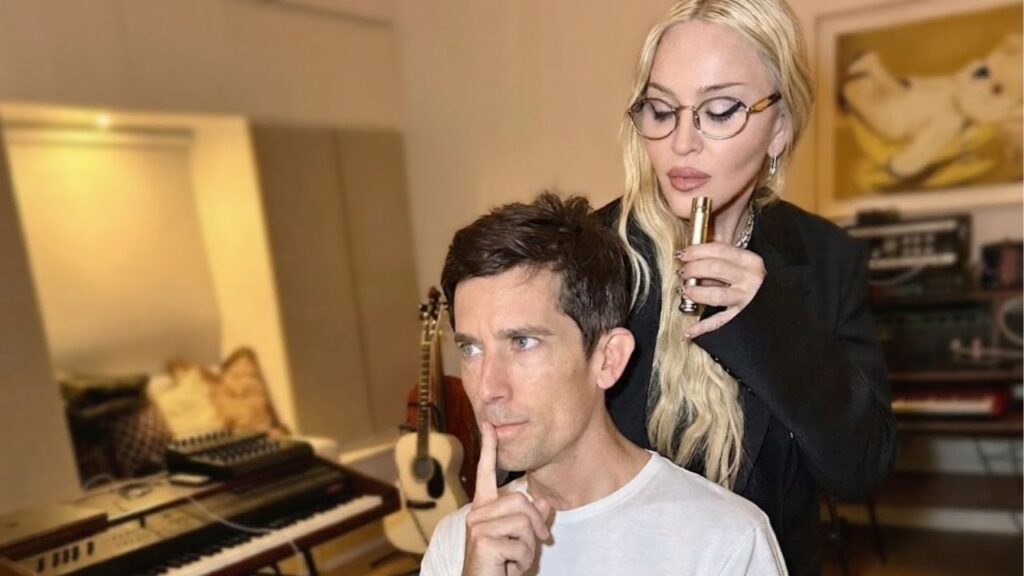
Producer Stuart Price utilizes vintage and modern electronic gear to craft the signature continuous mix framework.
YOU NEED TO KNOW
- Madonna unveils Confessions II through a special global livestream.
- Every song flows into the next in one uninterrupted Stuart Price mix.
- The album brings together global stars and one deeply personal collaboration.
- New House of Confessions pop-ups let fans experience the album in a whole new way.
The evolution of dance music usually relies on chasing whatever hyper-modern production trend is currently dominating the charts.
Yet, when the artist who practically defined the intersection of mainstream pop and underground club culture decides to revisit her most celebrated sonic era, the strategy shifts from following trends to restoring a very specific type of musical discipline.
As the calendar moves to July 2, the global music industry is focused entirely on London, where Madonna is hosting an exclusive first-listen event on the eve of launching her fifteenth studio album, Confessions II.
Instead of leaning into the experimental, genre-hopping structures that defined her recent musical journeys, the Queen of Pop has spent the last year quietly executing a massive creative homecoming.
She has completely cleared out the sonic clutter to reunite with British producer Stuart Price, the architect behind her legendary 2005 record.
The production team spent months inside Price’s private London facility, treating the recording sessions not just as a typical studio job, but as an intentional effort to rebuild the art of the continuous club mix from the ground up.
The structural blueprint of this new project relies heavily on seamless transitions, where the bassline of one track bleeds directly into the tempo of the next without giving the listener a chance to catch their breath.
Early previews from the iHeartRadio and TikTok live-streamed preview events show that Price has brought back his trademark electronic discipline, blending retro analog synthesizers with heavy, hypnotic low-end frequencies.
Rather than rushing to match the frantic pacing of modern streaming platforms, the tracks are allowed to breathe, averaging four to five minutes each to build a genuine physical atmosphere.
What makes this rollout stand out is how the global music landscape has shifted since the original era, particularly in how veteran pop icons command the current streaming economy.
Fans love celebrating when a massive star reclaims the cultural narrative, whether they are analyzing how a Miley Cyrus Barbie doll turns a pop moment into a physical collector’s item or tracking how a modern vocal powerhouse breaks an Ariana Grande petal chart milestone on Spotify.
Madonna’s return isn’t about competing with the youth-driven charts on their terms; it is about reminding the industry who built the framework for modern visual albums in the first place.
The collaborative energy across the sixteen-track deluxe edition shows a deliberate effort to bridge distinct eras of electronic music.
The tracking sheets reveal unexpected production assists from progressive minds like Arca and Latin hitmaker Tainy, alongside guest features from Sabrina Carpenter on the lead single and Belgian artist Stromae on the deeper cuts.
There is an underlying vulnerability to the record that sets it apart from typical nightlife anthems, including a highly anticipated track co-written with her daughter, Lourdes Leon, that directly addresses family friction over a driving electronic pulse.
By launching immersive global pop-ups labeled the House of Confessions in New York City and London, the rollout treats the album less like a standard commercial product and more like a shared community experience.
Madonna and Price are operating under a clear creative manifesto: the dance floor isn’t just a physical space to escape the chaos of the world, but a ritualistic threshold where rhythm replaces traditional language entirely.