Why Gen Z Is Obsessed With Re-Releasing 90s and 2000s Pop Bangers
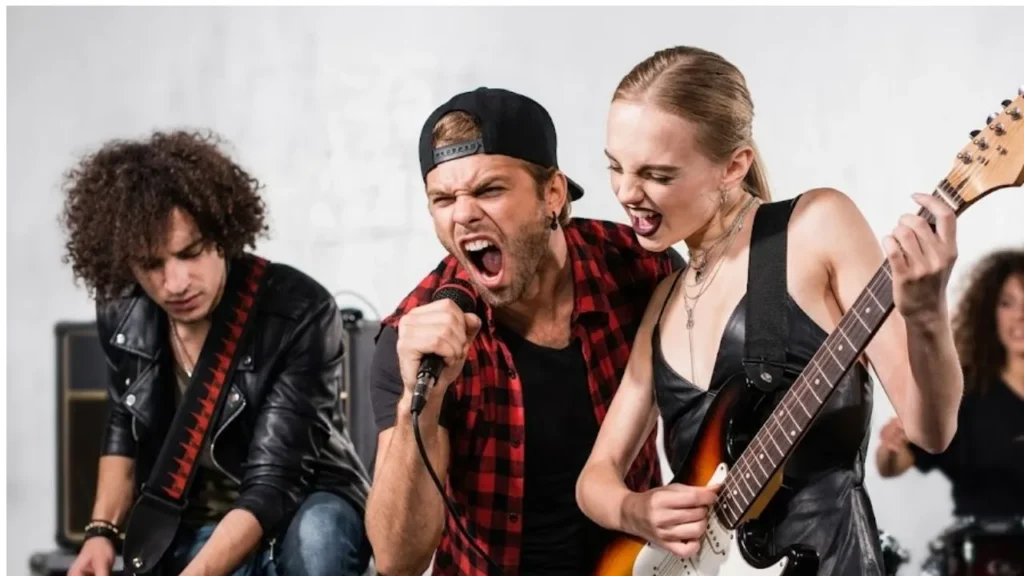
The unforgettable sounds of the 90s and 2000s are dominating modern streaming playlists.
YOU NEED TO KNOW
- Speeding up or pitching up classic tracks ften referred to as “Sped Up” or “Nightcore” edits accounts for over 30% of all viral audio trends on TikTok currently.
- Legacy catalog values for late 90s pop and R&B songwriters have surged by an estimated 45% in value over the last twelve months due to licensing requests.
- Music historians predict the trend will transition from late-90s Eurodance into mid-2000s indie-sleaze and blog-house aesthetics by the end of the year.
- The production team used the iconic Japanese track Ellie My Love by Southern All Stars as a haunting thematic centerpiece that heavily ties into the villain’s motivations.
The music industry is currently experiencing a massive cultural shift as Gen Z becomes completely obsessed with re-releasing 90s and 2000s pop bangers on social media.
Walk into any major club, scroll through your TikTok For You Page, or look at the global streaming charts today, and you will hear something shockingly familiar.
It is not just minor sampling or subtle background interpolations anymore; young artists and listeners are straight-up resurrecting the exact electronic hooks, eurodance beats, and dramatic vocal melodies that defined the turn of the millennium.
This sudden obsession is rapidly turning old hits into modern goldmines, completely rewriting the rules of how music goes viral in the streaming era.
The phenomenon is dominating platforms like TikTok and Instagram, where short-form audio reigns supreme and younger audiences are looking for instant sonic dopamine.
Music industry insiders note that millennials are watching this trend with a mix of amusement and nostalgia as songs they danced to in middle school become high-stakes viral trends overnight.
Major pop icons and fresh underground producers are teaming up to give these vintage tracks shiny, bass-boosted updates that appeal to a demographic that was barely alive when the originals dropped.
From Eurodance classics to dramatic teen-pop anthems, the sonic landscape of the late nineties and early aughts is officially the hottest commodity in mainstream entertainment right now.
Psychologists and music critics point out that this massive resurgence is fueled by a deep-seated desire for escapism and pure, unadulterated fun.
Modern pop has spent nearly a decade leaning into moody, introspective, and minimalist production styles that reflect a highly anxious world.
In stark contrast, vintage club tracks were engineered for maximum energy, featuring explosive choruses, unhinged synth lines, and unapologetic vocal performances.
Gen Z listeners are treating these throwbacks with the same intense devotion that fans give to the best Millie Bobby Brown movies, finding a sense of larger-than-life cinematic drama within the music that feels entirely fresh compared to the muted sounds of the recent past.
This fixation on the past has fundamentally altered how major record labels approach their A&R strategies and new release rollouts.
Instead of spending millions developing completely original melodies from scratch, executives are digging through their legacy catalogs to find forgotten gems or classic hooks that can be flipped into immediate algorithmic successes.
The strategy relies heavily on the fact that these melodies are already mathematically proven to stick in a listener’s head.
When a producer overlays a modern house beat onto a familiar vocal line, it triggers an instant psychological double-tap of comfort and novelty that guarantees millions of streams within a matter of hours.
The fascinating twist is that this trend is completely interactive, with fans themselves driving the demand for official streaming releases.
A producer will often post a 15-second snippet of a flipped Y2K track on social media, watching it blow up through dance challenges and reaction videos before a single official track is even finalized.
This creates an environment of intense, real-time hype where fans treat music discovery like solving a complex Enola Holmes 3 villain mystery, tracking down unreleased edits and demanding that labels clear the original samples immediately.
It turns passive listening into an active, community-driven event that traditional marketing simply cannot replicate.
Of course, the drama surrounding sample clearances, publishing rights, and creative originality is heating up behind the scenes as fast as a Love Island drama blowout.
Original songwriters from thirty years ago are suddenly finding themselves back in high demand, negotiating massive payout percentages as their vintage work climbs back to the top of the Billboard Hot 100.
While some purists argue that the industry is running out of new ideas, the overwhelming consensus among young creators is that they are actively honoring music history by reshaping it for a brand-new generation.
Whether you love the constant wave of nostalgia or find it exhausting, the era of Y2K domination shows absolutely no signs of slowing down this summer.
Read More: Brad Pitt vs Angelina Jolie Winery Drama Explodes With Court Win | Every Celebrity Spotted at Taylor Swift and Travis Kelce’s Wedding