Heartstopper Movie Format May Be the Right Ending for Nick and Charlie
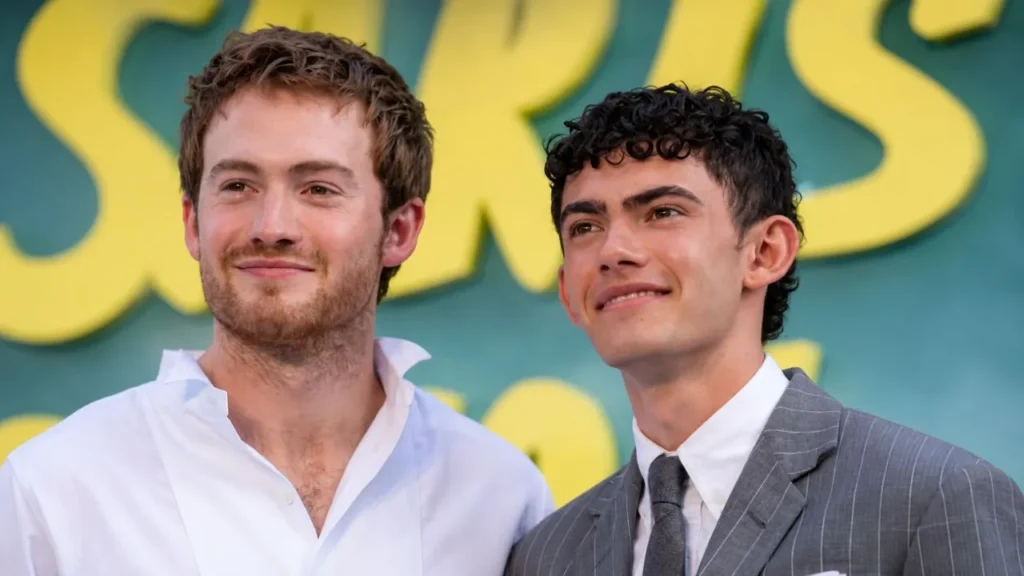
The structural evolution of the narrative from an eight-episode season into a singular feature film allowed the storytelling to mirror the real-world maturity of its leading stars.
YOU NEED TO KNOW
- Netflix wrapped the beloved franchise with a single two-hour finale film instead of a traditional fourth season.
- Creator Alice Oseman adapted the screenplay directly from the sixth and final volume of the graphic novel series.
- The story bypasses typical episodic high school tropes to focus deeply on pre-university summer transition anxieties.
- Reviewers globally praise the graduation to feature-length runtime for matching the emotional maturity of the cast.
Netflix’s decision to conclude Heartstopper with a feature-length finale film titled Heartstopper Forever rather than a full fourth season marks a unique ending for one of the streamer’s most successful coming-of-age dramas.
Based on the sixth and final volume of Alice Oseman’s webcomic as well as her novella Nick and Charlie, the 114-minute movie wraps up the beloved LGBTQ+ story in one continuous narrative as Nick (Kit Connor) and Charlie (Joe Locke) prepare for university and the bittersweet transition into adulthood.
The strategic pivot to a film format closely aligns with the remaining source material while solving complex scheduling constraints for the show’s breakout leads.
Oseman revealed that shifting away from an eight-episode television model allowed the production team to eliminate artificial episode cliffhangers and focus entirely on emotional, cinematic character arcs without padding out unnecessary subplots.
Released on Netflix exactly four years after the original series debut, the movie offers a focused, mature send-off, bringing full-circle resolution to Nick and Charlie’s romance alongside key farewell moments for the rest of the Truham and Higgs friend group.
Beyond streamlining the storytelling, the decision reflects the reality of managing a globally recognized young cast.
In the years since Heartstopper premiered, both Kit Connor and Joe Locke have transitioned into blockbuster Hollywood projects, West End stage productions, and high-profile studio releases.
Coordinating a multi-month television production across an ensemble of rapidly rising stars presented immense scheduling hurdles.
Condensing the final narrative into a feature film allowed the creators to preserve production values, maintain high visual quality, and reunite the entire original cast without delaying the franchise’s conclusion for years.
Ultimately, this hybrid release strategy sets a brand-new precedent for how streaming giants can gracefully wrap up flagship young-adult hits when their stars reach international stardom.
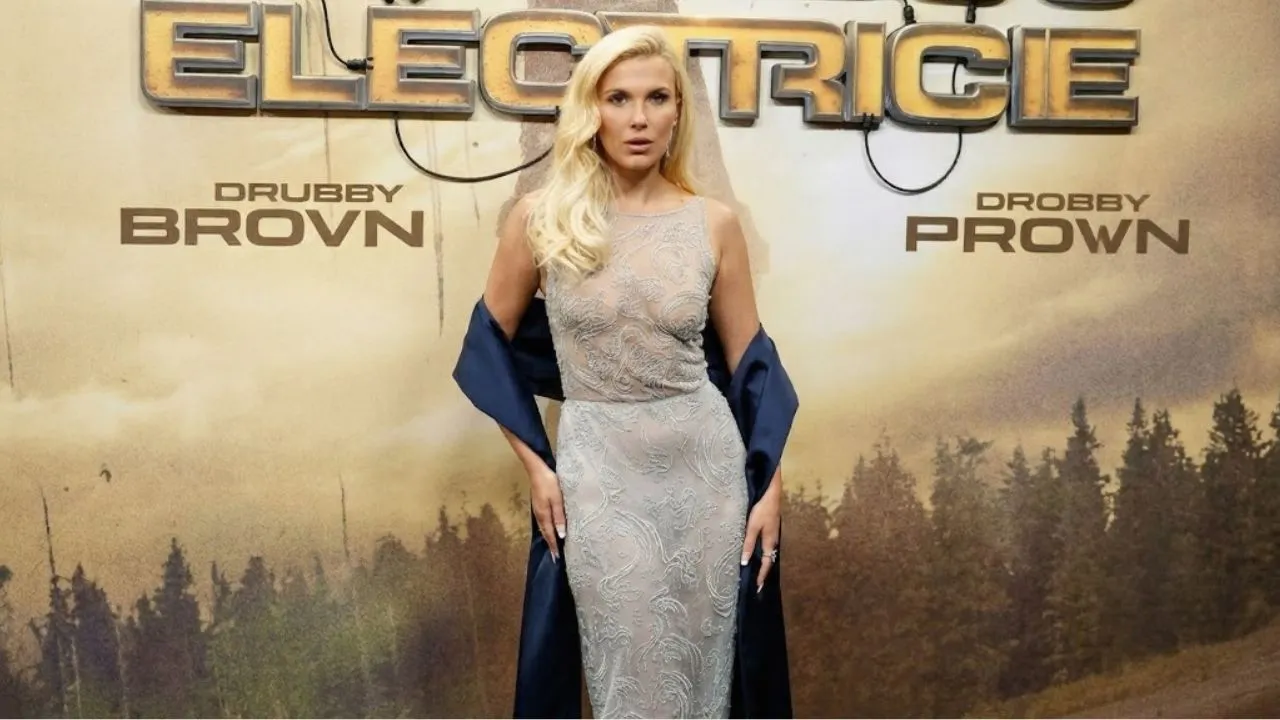
Producing a feature film instead of another multi-episode season creates a more contained production schedule while allowing the original cast to reunite for a definitive conclusion.
Netflix has not described scheduling as the reason for the decision, but the format offers practical advantages that are common across large ensemble productions.
Critics who have followed the series have frequently praised its restraint compared with many long-running teen dramas.
Rather than continually introducing new twists to extend the story, Heartstopper has generally remained closely connected to Oseman’s original work.
Ending with a film continues that approach by adapting the remaining material without significantly expanding the narrative beyond its published conclusion.
The format also changes how audiences will experience the ending. Television seasons naturally encourage pauses between episodes, while a feature film presents the final chapter as one uninterrupted story.
For a relationship-driven series built around emotional continuity, that approach may create a different viewing experience than a traditional episodic structure.
That does not necessarily mean a film is inherently better than another season. Some viewers may have preferred additional episodes to spend more time with the supporting characters.
While others may welcome a more concentrated conclusion focused primarily on Nick and Charlie. The effectiveness of the decision will ultimately depend on the finished film rather than the format alone.
What’s confirmed is straightforward. Netflix has chosen to conclude Heartstopper with a feature film adapting Alice Oseman’s final graphic novel instead of producing a fourth season.
The decision represents a different approach from many streaming dramas, but its success will ultimately be judged by how effectively it brings one of television’s most popular young-adult romances to a close.
Read More: Before Messi and Yamal Met on the Pitch, They Met in a Bathtub