The Weekly Ritual Hamnet’s Cast Used to Survive Its Hardest Scenes
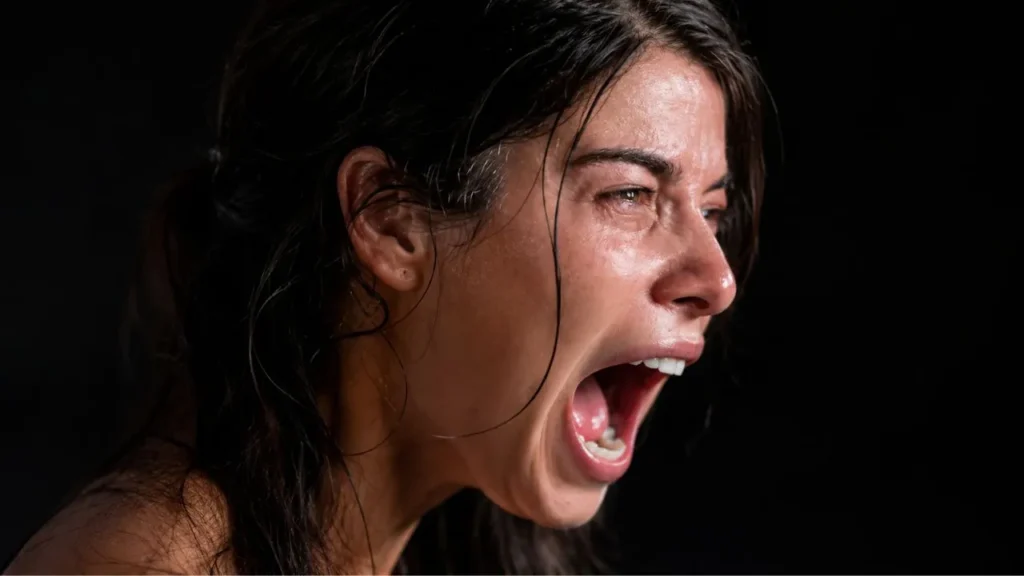
Producers Sam Mendes and Steven Spielberg joined Chloé Zhao's team behind Hamnet.
YOU NEED TO KNOW
- New interviews with the Hamnet producing team reveal little-known behind-the-scenes details, including how the cast and crew protected child actors while filming the emotionally intense drama.
- Director Chloé Zhao reportedly ended filming weeks with group dances, creating positive memories for the young performers despite the film’s heavy themes of grief and loss.
- Producers also revealed that a full-scale Globe Theatre set was built on the Elstree backlot, where filming was occasionally interrupted by noise from the neighboring Strictly Come Dancing production.
- While awards attention has largely focused on Zhao, Jessie Buckley, and Paul Mescal, the film’s producers say the collaborative filmmaking process played a key role in bringing Hamnet to the screen.
Hamnet behind the scenes has stayed mostly out of view even as the film racks up awards attention, and a few details recently surfacing help explain how something this emotionally heavy actually got made.
Most coverage has centered on Chloé Zhao, Jessie Buckley, and Paul Mescal, which makes sense given their nominations. But recent interviews from the film’s producers reveal a production story that’s barely been told.
Hamnet was produced by an unusually stacked group: Liza Marshall, Pippa Harris, Nicolas Gonda, Sam Mendes, and Steven Spielberg, all sharing the film’s Best Picture nomination alongside Zhao.
Marshall first read the novel in galley form back in 2019, sent by Maggie O’Farrell’s agent, and secured the rights after connecting with the author directly.
Harris, meanwhile, recalled Mescal approaching her at the Telluride Film Festival specifically to campaign for the role of William Shakespeare once he learned she held the rights, a detail that hasn’t circulated widely compared to the film’s awards narrative.
What makes this worth covering now is how differently the producers describe the actual set experience compared to the finished film’s tone.
In a joint interview, Mendes explained that Zhao made everyone on set, cast and crew alike, feel like there were no real mistakes, only what he called happy accidents.
Harris went further, describing the production as unusually peaceful given the material, crediting Zhao’s habit of ending each week with a group dance, including the child actors.
The intent, according to Harris, was to make sure the children’s lasting memory of filming was the dancing, not the grief they were simulating on camera.
That detail matters because Hamnet is built entirely around loss, and audiences have responded to its emotional weight without necessarily knowing how the production protected its youngest performers from absorbing it.
It’s a rare example of a filmmaking process consciously designed around the wellbeing of children working on a story about a child’s death, something that hasn’t gotten nearly the attention the film’s performances have.
There’s also a physical production detail that’s mostly stayed in trade press rather than mainstream coverage. The team built a recreation of the historic Globe Theatre on the Elstree backlot, only to discover the noisy dance competition series Strictly Come Dancing was filming next door at the same time.

Production had to pause repeatedly whenever music from the neighboring set bled through, according to Harris, an unglamorous logistical headache behind some of the film’s most visually elegant sequences.
Public reaction has largely followed the story that’s already been told: Buckley’s performance, Zhao’s direction, and the film’s faithfulness to O’Farrell’s novel.
On X and Reddit, discussion has focused on comparing the adaptation to the book’s structure. TikTok has centered on emotional final-act clips.
What’s been almost entirely absent from that conversation is the producing side of things, despite Spielberg and Mendes both holding producer credits and speaking publicly, in recent interviews, about the emotional toll directing this kind of material takes.
That gap says something about how awards coverage tends to work. Attention naturally gathers around the director and lead actors, while a five-person producing team, even one including two of the industry’s most recognizable names, gets treated as background information.
Mendes and Zhao’s own conversation about what he called the “emotional cost” of filmmaking, where Zhao described having to give up a certain kind of stability to keep working this way, adds a layer to the film’s themes of loss that hasn’t made it into most reviews.
What’s confirmed is this: Hamnet was produced by Marshall, Harris, Gonda, Mendes, and Spielberg, all nominated alongside Zhao for Best Picture.
The production included deliberate rituals to protect its child actors emotionally, and its most iconic setting was built next to a noisy reality show set.
Whether these details change how audiences watch the film is up to them, but they round out a story that’s mostly been told through its performances rather than the people who built the conditions to make those performances possible.