Inside the Fire Stunt That Almost Shut Down Christopher Nolan’s The Odyssey
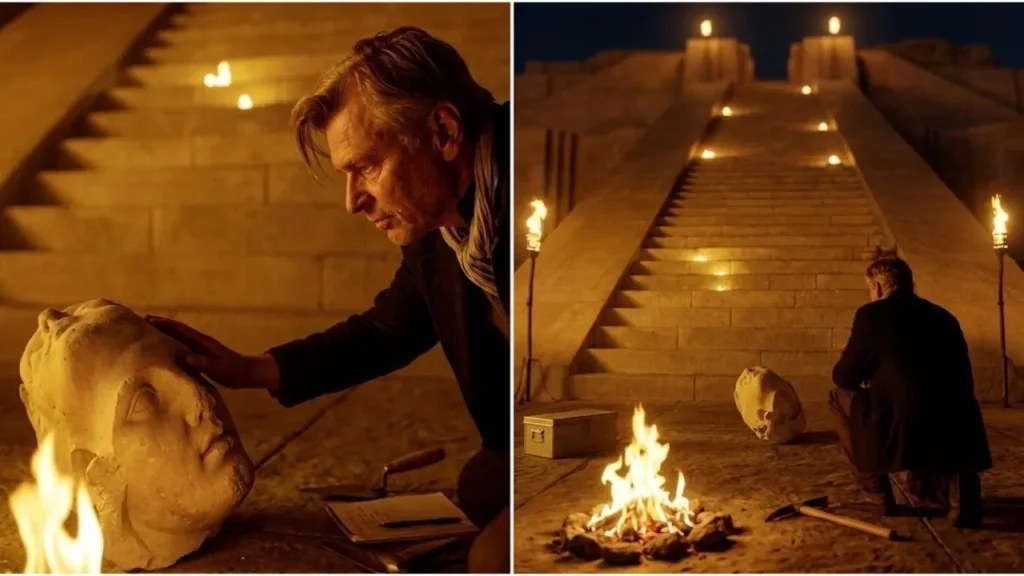
Practical pyrotechnics created an intense atmosphere on location during the filming of a naval battle sequence.
YOU NEED TO KNOW
- Director Christopher Nolan opted for live, full-scale practical pyrotechnics rather than CGI for an epic naval battle sequence in The Odyssey.
- The practical fire rig grew out of control on the Mediterranean location set, requiring a brief safety evacuation before production resumed safely.
- Lead stars Matt Damon and Ralph Fiennes praised the crew’s rapid response, calling the real-time intensity “unlike anything in modern filmmaking.”
Filmmaking enthusiasts and cinema followers received an insider look into the demanding production environment of Christopher Nolan’s mythic action epic.
Known for a firm commitment to real-world visual effects over digital trickery, the acclaimed director pushed practical limits while recreating ancient maritime conflict on open water.
During the filming of a massive naval battle sequence, a controlled pyrotechnic rig suddenly expanded beyond expected parameters on the Mediterranean location set.
Production team members acted immediately, executing a rapid safety protocol that cleared performers and crew members from danger zones within fifteen minutes before operations resumed safely.
The intense moment unfolded as pyrotechnic specialists ignited controlled fire rigs designed to simulate flaming arrows striking ancient wooden warships.
Fueled by unpredictable ocean winds, flames spread rapidly along the outer deck frame of a full-scale wooden vessel.
Rather than relying on digital replacement during post-production, the director prioritized authentic physical elements to capture true lighting, heat distortion, and atmospheric depth on massive camera formats.
Safety marshals stationed around the perimeter handled the situation calmly, using on-site suppression equipment to extinguish stray fire patches and secure the filming area.
Lead stars Matt Damon and Ralph Fiennes shared praise for how efficiently the crew managed the sudden situation.
Damon noted that standing near authentic fire sequences creates an undeniable visceral energy that elevates actor performances, making reactions feel entirely genuine on camera.

Fiennes echoed those sentiments, emphasizing that while modern cinema frequently relies on green screens, working inside a tangible physical environment offers a rare level of realism for performers.
Both actors highlighted the professional discipline of the safety teams, who ensured everyone on set remained unharmed throughout the brief filming pause.
The dedication to practical pyrotechnics underscores why big-budget cinematic productions continue to captivate global moviegoers.
Constructing real physical sets, navigating real weather conditions, and executing complex live stunts requires immense technical coordination across hundreds of crew members.
Industry analysts observe that this traditional approach to blockbuster filmmaking creates lasting visual impact that distinguishes major theatrical events from standard studio releases.
The successful management of the Mediterranean fire sequence highlights the delicate balance between high-stakes visual ambition and rigorous safety standards on modern movie sets.
As post-production work continues, excitement surrounding the epic adventure remains extraordinarily high among worldwide film audiences.
The blend of mythic storytelling, massive practical scale, and star-studded talent positions the project among the most anticipated cinematic events of the year.
Behind-the-scenes accounts of physical stunt work further reinforce audience appreciation for the sheer effort required to bring ancient history to life.
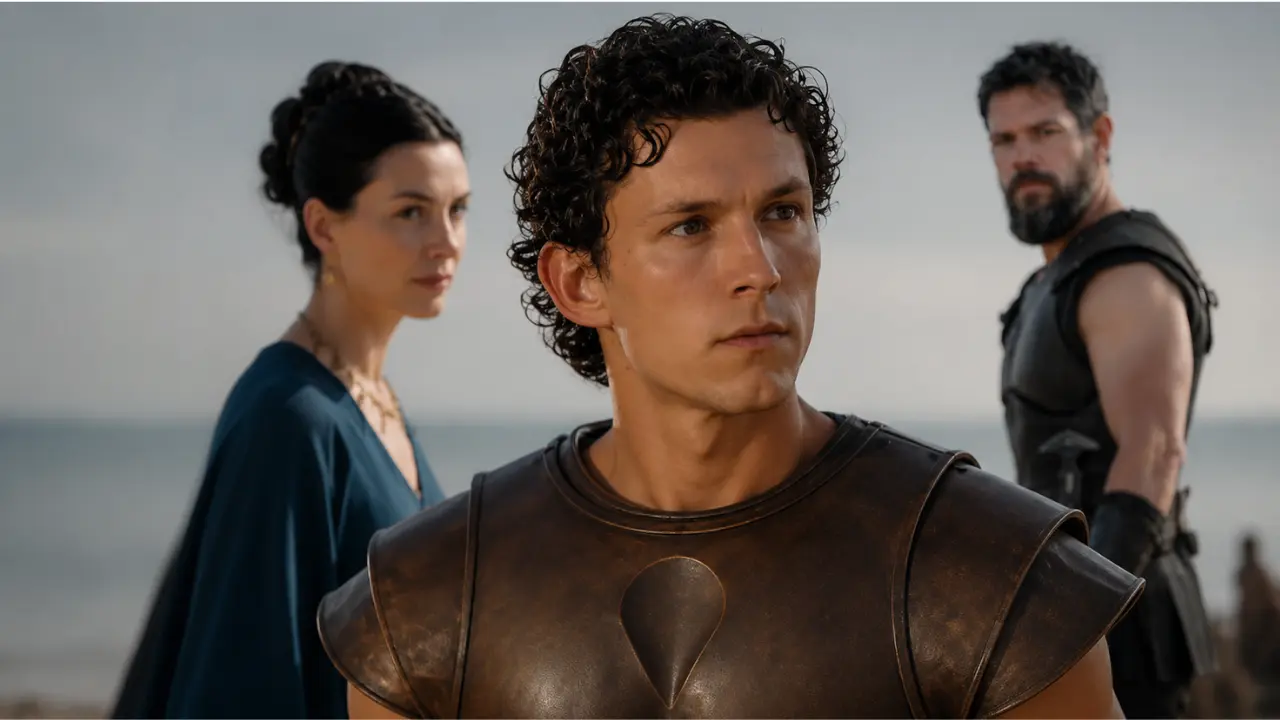
Official government press notices, cultural archives, and historic entertainment records are preserved through the National Archives public database.
The relentless focus on real-world execution highlights a growing preference among contemporary audiences for physical production values over computer-generated imagery.
Film historians point out that utilizing tangible props, natural sunlight, and authentic environmental hazards imparts a distinct visual weight that resonates deeply with moviegoers seeking immersive cinematic experiences.
Furthermore, the commitment to executing dangerous sequences under strict safety protocols reflects the evolving maturity of modern blockbuster filmmaking, where groundbreaking creative vision and comprehensive risk management go hand in hand.
As audiences continue to celebrate authentic visual craft, behind-the-scenes milestones like the Mediterranean naval battle ensure that the practical art of epic storytelling remains a vibrant cornerstone of global theatrical cinema.