Why Tom Cruise’s Cheaper Mission: Impossible Sequel Made More Money Than His Priciest One
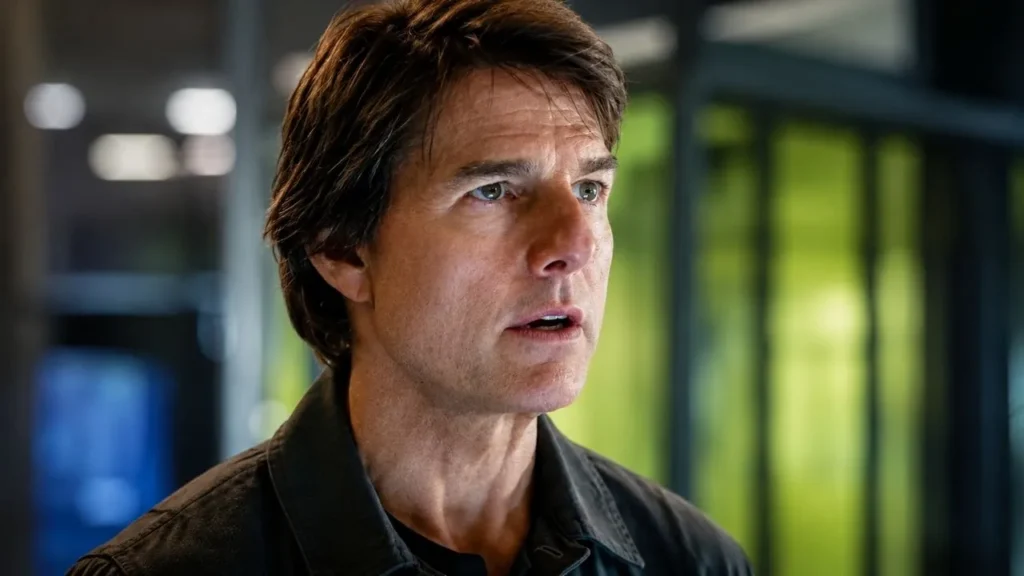
Mission: Impossible – The Final Reckoning cost more than double Top Gun: Maverick, yet earned significantly less.
YOU NEED TO KNOW
- The Final Reckoning’s budget is reported between $300 and $400 million.
- Top Gun: Maverick cost $170 million and grossed nearly $1.5 billion.
- The Final Reckoning grossed under $600 million, short of its breakeven point.
- A malfunctioning $25 million submarine set piece contributed to production delays.
The key point is not that The Final Reckoning failed to attract audiences. A worldwide total in the hundreds of millions is a substantial achievement for most action films.
The issue is that its much larger cost dramatically changed the level of box-office success required for it to deliver the same kind of financial impact that Maverick achieved.
Why did The Final Reckoning become so expensive? The answer is not a single production disaster, but a series of costly complications that accumulated over time.
Production was affected by pandemic-related interruptions, the 2023 SAG-AFTRA strikes, and additional delays involving a major submarine-related set piece used for the film’s practical-action sequences.
Industry reporting has consistently described the shoot as unusually complex, involving multiple countries, extensive location work, and a production schedule that stretched across several years rather than a more typical blockbuster timeline.
Every additional month of filming increases costs through crew salaries, equipment rentals, location fees, transportation, and insurance.
By the time The Final Reckoning reached theaters, it was carrying the weight of a production process that had become far longer and more expensive than originally planned.
Cruise’s filmmaking philosophy also played a major role. He is famous for insisting on practical, in-camera stunt work rather than relying heavily on digital effects.
That commitment is central to both Top Gun: Maverick and the Mission: Impossible franchise, but the scale of execution was very different.
Top Gun: Maverick relied heavily on real F/A-18 flight photography and a relatively focused production structure. The film required extensive aerial coordination, but much of its spectacle came from capturing real aircraft in real flight conditions.
The Final Reckoning expanded that philosophy across multiple continents, elaborate underwater and submarine-related sequences, and large-scale practical action setups that required significant logistical coordination. Both films pursued realism, but one achieved that realism with a much more controlled production footprint.
The comparison also arrives at an important moment for Hollywood. Studios are increasingly questioning whether $300 million-plus budgets remain sustainable outside a small number of event franchises.
The theatrical market has recovered unevenly since the pandemic, and even globally recognized brands are finding it harder to generate the kind of billion-dollar grosses that once seemed more common.
That debate became even louder after Mission: Impossible – Dead Reckoning Part One was reported by several industry analysts to have struggled to reach profitability during its theatrical run.
The Final Reckoning therefore carried additional pressure. It was not simply another sequel; it was another enormous investment in a franchise that had already become unusually expensive to produce.
Against that backdrop, Top Gun: Maverick looks less like a traditional blockbuster and more like a case study in efficient large-scale filmmaking.
It combined strong audience appeal, excellent word of mouth, repeat-viewing potential, and a budget that remained relatively restrained by modern tentpole standards.
None of this means The Final Reckoning should be viewed as a failure in ordinary box-office terms. Most studios would welcome a worldwide gross in the hundreds of millions.
But when placed directly beside Top Gun: Maverick, the numbers tell a more revealing story than “expensive movie earned less.”
The real lesson is that bigger budgets do not automatically create bigger hits. Cruise’s most expensive Mission: Impossible film demanded an extraordinary level of worldwide revenue simply because it cost so much to make.
Top Gun: Maverick, produced for roughly half the price, delivered vastly larger returns and became one of the clearest examples in recent Hollywood history of how a smaller, more disciplined blockbuster can outperform a much costlier spectacle.
That makes the comparison fascinating not just for Tom Cruise fans, but for anyone watching how Hollywood’s blockbuster economics are changing in real time.
The surprising winner in this financial showdown was not the bigger production, the more complicated shoot, or the more expensive franchise entry.
It was the film that managed to keep its scale under control while still delivering the kind of theatrical experience audiences wanted to see again and again.
Read More: Spider-Man Just Had the Second-Biggest Movie Opening in Box Office History | The Devil Wears Prada 2 Shatters Box-Office Records Globally!