The Private Business Lesson Dolly Parton Taught Taylor Swift About Owning Her Music
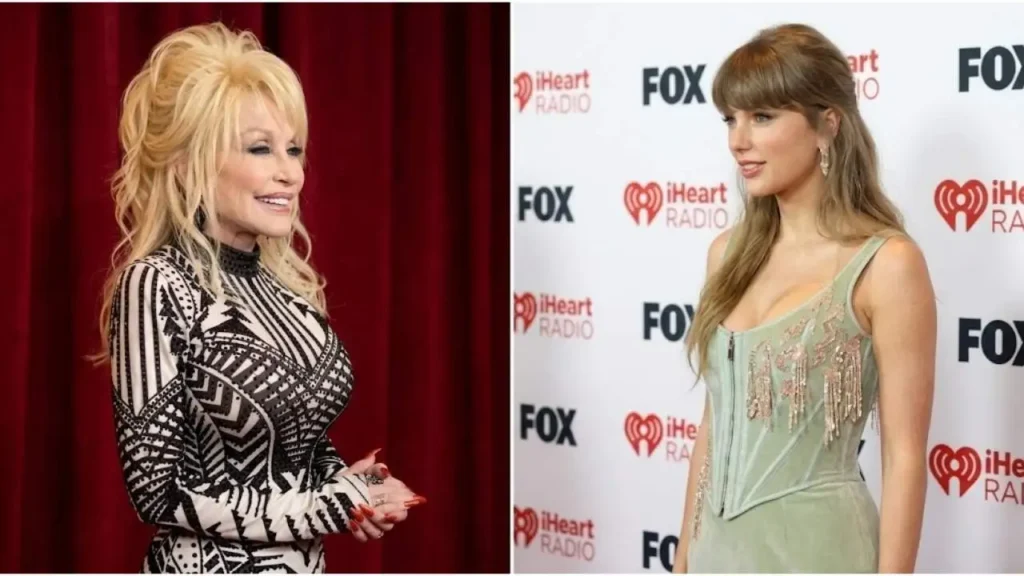
Taylor Swift honored the late Dolly Parton, whose defense of publishing rights paved the way for modern artist ownership.
YOU NEED TO KNOW
- Country music icon Dolly Parton passed away on August 25, 2026, at the age of 80.
- Taylor Swift issued a statement honoring Parton’s grace, grit, and artistic legacy in the music industry.
- Parton famously refused to sell Elvis Presley her “I Will Always Love You” publishing rights in the 1970s.
- That historic precedent established the playbook Swift later used to protect her own songwriting and master catalog.
When country legend Dolly Parton passed away at age 80 on August 25, 2026, tributes poured in from across the global entertainment industry.
Among the most reflective statements came from Taylor Swift, who praised Parton’s rare combination of soft-hearted empathy and a backbone of steel when defending her self-worth as an artist.
Swift emphasized that Parton’s influence extended far beyond music charts, serving as a generational mentor for women advocating for their independence in corporate boardrooms.
While public coverage centered on the emotional weight of Swift’s tribute, the bond between the two stars was rooted in a specific, highly consequential music industry standard.
Decades before Swift fought for her master recordings and re-recorded her early albums, Parton established the ultimate blueprint for artist independence by refusing to surrender her publishing rights during pivotal career moments.
The defining moment of Parton’s business savvy occurred in the 1970s, after she wrote and released her hit song “I Will Always Love You.”
Elvis Presley’s manager, Colonel Tom Parker, expressed interest in Presley recording a cover, but insisted on standard terms for the era: Parton would have to sign over half of her publishing rights to the track prior to recording.
Despite intense pressure and the immense prestige of an Elvis recording, Parton famously refused. She maintained that her publishing catalog was her family’s financial future and a sacred asset she refused to divide.
The choice proved monumental when Whitney Houston recorded the track for The Bodyguard soundtrack in 1992, generating tens of millions of dollars in royalties that flowed directly to Parton as the sole songwriter and copyright holder.
That decision created a protective blueprint that reshaped how young artists, particularly women navigating male-dominated Nashville institutions, viewed the long-term value of their creative work.
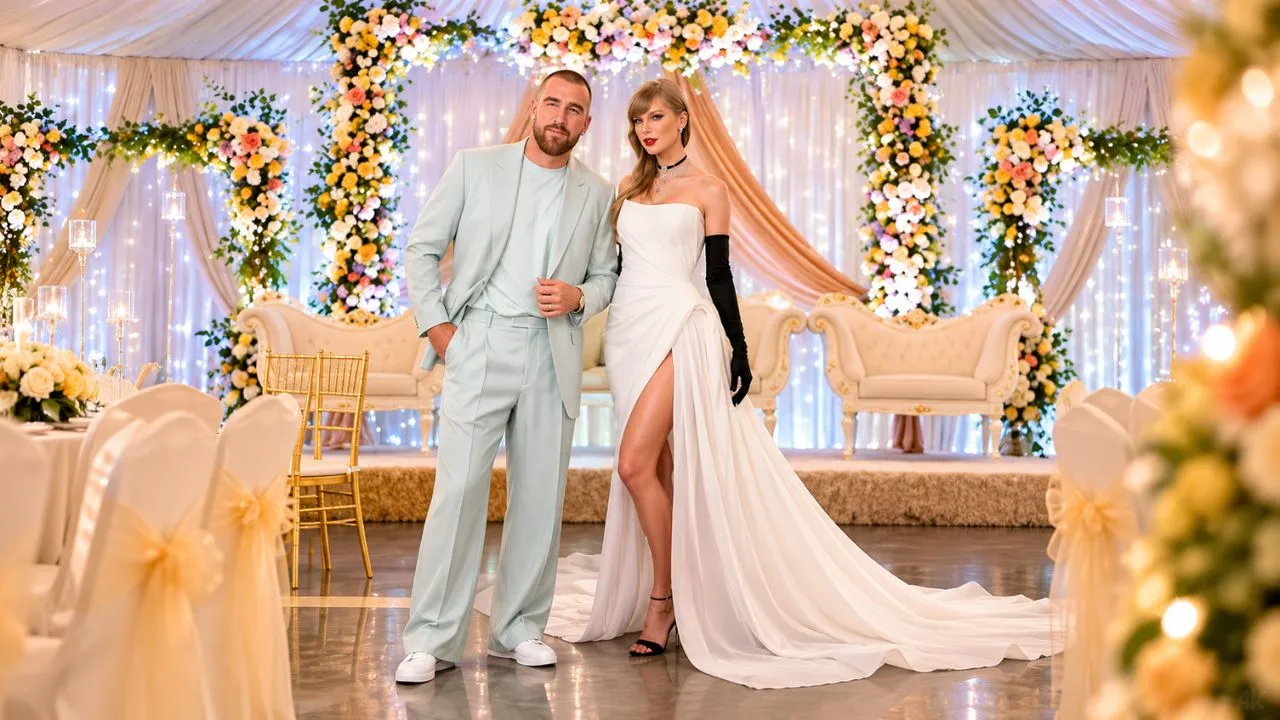
When Swift launched her career in Nashville as a teenager, Parton’s career served as an active, living example of how to maintain uncompromising creative control without sacrificing crossover mainstream stardom.
Throughout her career, Swift frequently cited Parton’s example when making key strategic decisions.
When Swift faced the loss of her early master recordings following Big Machine Label Group’s acquisition.
The precedent set by Parton holding firm on creative control and prioritizing underlying publishing rights provided the foundation for Swift’s decision to re-record her early catalog and preserve ownership over her catalog legacy.
Beyond catalog ownership, Parton demonstrated how to manage high-profile creative transitions without burning bridges.
When Parton separated from her longtime television partner Porter Wagoner to pursue a broader solo career in the mid-1970s, she wrote “I Will Always Love You” as a respectful farewell song rather than engaging in public litigation.
Swift applied a similar narrative focus when navigating contract changes and master disputes, opting to communicate directly through her music, dedicated re-recordings, and open letters to fans.
Parton’s business acumen also extended to diversification, showing modern pop stars how to build durable business empires outside the traditional music sales ecosystem.

By leveraging her brand into theme parks, production companies, and philanthropic initiatives like the Imagination Library, Parton proved that financial autonomy gives artists the leverage to reject unfavorable corporate deals.
Swift followed a strikingly similar path by expanding her operations into direct concert film distribution, breaking standard studio models by partnering directly with theater chains.
In her statement honoring Parton, Swift noted that the country icon walked tightropes so that younger girls could dream of joining the circus too.
Parton’s lasting legacy lives on not only in her timeless melodies and storytelling, but in the structural protection, publishing ownership, and career autonomy that modern songwriters now exercise over their own work.
Read More: Dark Matter Season 2 Takes the Story Beyond Crouch’s Novel


1 thought on “The Private Business Lesson Dolly Parton Taught Taylor Swift About Owning Her Music”